Content marketing for manufacturers means publishing what buyers and engineers look for before they contact a supplier: specifications, application notes, case studies, answers to common questions and film of the product or plant. Start with the questions your sales team answers every week.
Content marketing has a reputation for blog posts nobody reads. For a manufacturer it’s more practical than that. A buyer researching a supplier has questions, and they would rather find the answers on your website than ring you. If the answers are there, you’re more likely to make the shortlist.
Start with the questions buyers ask
Ask your sales and technical people what they get asked most. The list is usually the same. What materials do you work with? What tolerances can you hold? What’s the minimum order? What’s the lead time? Which approvals do you have? Can you do this particular thing?
Each of those is a page or a section of one. Write the answer the way you’d give it on the phone, with the numbers.
Buyer questions
Six questions, six places to answer them
Take the questions your sales team hears and give each one a home on the website.
What to publish
- Product and capability pages. What it is, what it’s for, the full specification and how to order or enquire.
- Datasheets and technical downloads. Available without a form, so engineers can check fit quickly.
- Application notes. How a product or process is used for a particular job or industry.
- Case studies. The customer’s problem, what you did and the result.
- Guides. How to choose or specify the kind of thing you make.
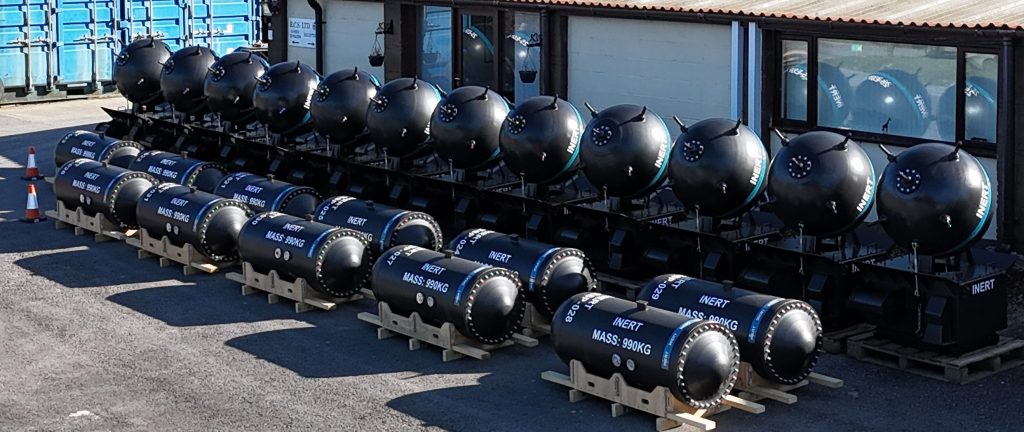
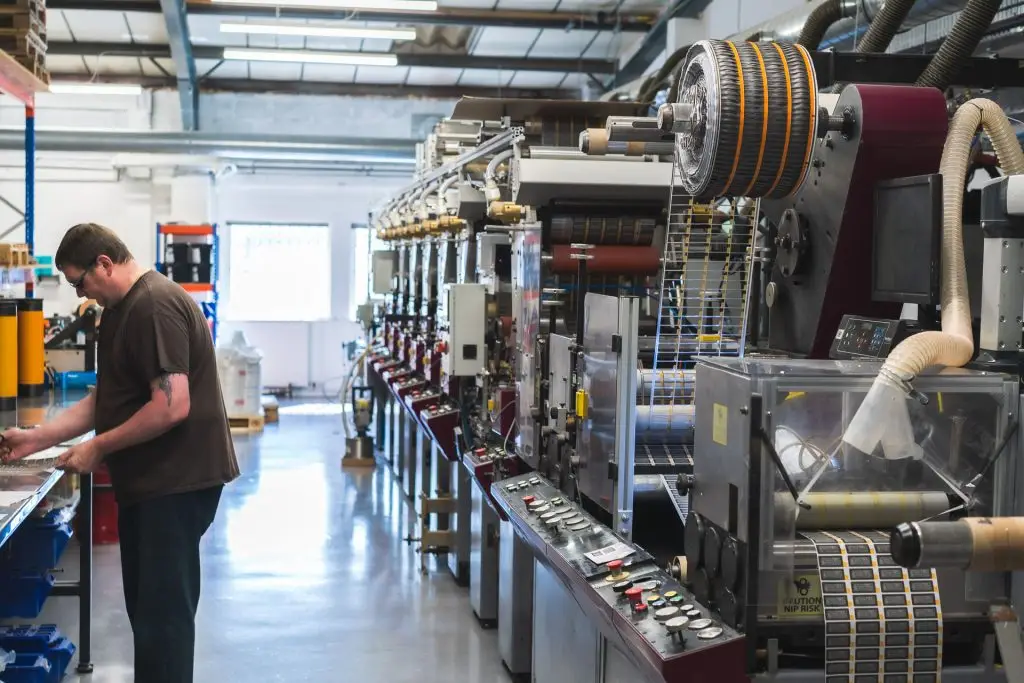
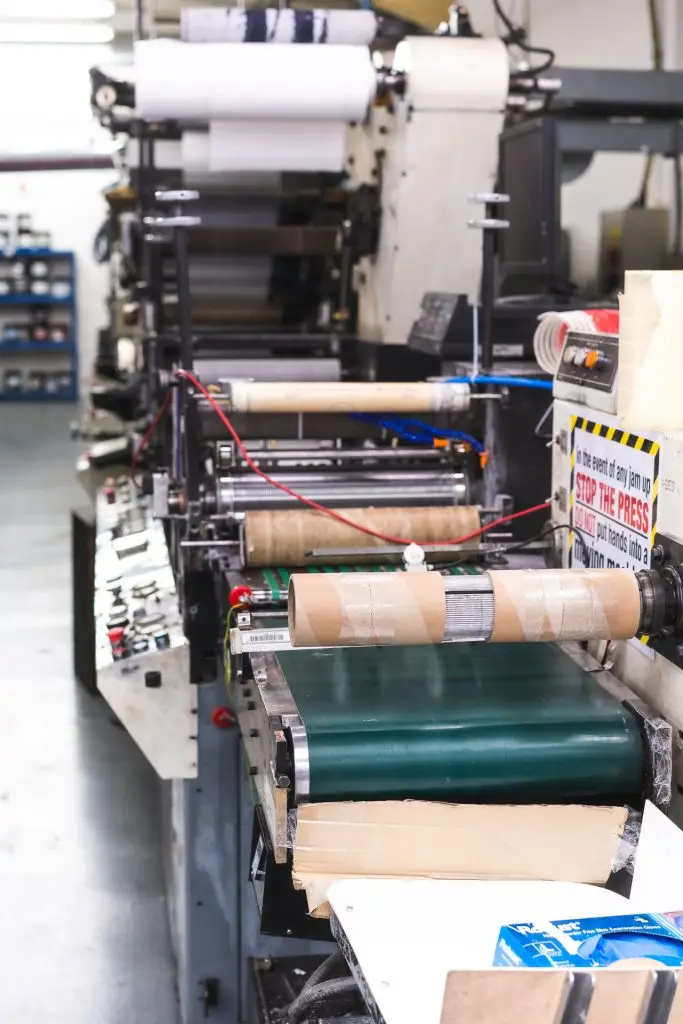
- Film and photography. The product working and the plant it’s made in.
Product pages come first. We’ve written about what a good product page for technical equipment needs.
Write for the engineer and the buyer
Two people usually read your content. The engineer checks the detail and the buyer or manager signs it off. Lead with the point so the manager gets it in the first line, then give the detail the engineer needs underneath.
Use numbers and units. Technical terms are fine, because your readers use them. Adjectives like “high quality” and “innovative” get skipped.
Get more than one use from each piece
A case study can also be a LinkedIn post, a paragraph in a customer email, a PDF for the sales team and a story for the trade press. A product film can be cut into short clips. If the customer will go on camera, film it as a testimonial video. Plan those uses before you start and each piece does far more work. We’ve covered the video side in how to get more than one post out of a product film.
Reuse
One case study, five uses
Plan the uses before you write it, so the photos and approvals cover all of them.
One approved case studyThe customer’s problem, what you did and the result
Keep a simple calendar
One good piece a month is enough for most manufacturers. Decide who writes it. Often the quickest way is a half-hour conversation with the engineer who knows the subject, written up by someone else and checked by them.
Measure it by enquiries, and by which pages people read before they enquire. Your analytics will show both.
Make each piece easy to find
Content only works if the right person lands on it. Give each page one subject and say what it is in the title, in the words a buyer would type. “CNC machining of titanium” is a better title than “Our capabilities”.
Link related pages to each other: the product page to its datasheet, the case study to the process it used, the guide to the product it helps someone choose. That helps readers, and it helps search engines work out what each page is about.
Then tell people it exists. Send new pieces to customers by email, post them on LinkedIn and give the sales team the link so they can send it when the question comes up.
What gets in the way
The usual problem is time. The people who know the subject are busy making things. Keep the ask small: half an hour of an engineer’s time, with someone else doing the writing.
The second is confidentiality. Customers often won’t be named, and some work can’t be shown. A case study can still describe the industry, the problem and the result without naming the customer, and 3D animation can show a product that can’t be photographed.
The third is the worry about giving too much away. Publishing a specification doesn’t hand your process to a competitor. It lets a buyer see you can do the job. Publish what you can do and keep how you do it to yourself.

Common questions
What is content marketing for manufacturers?
Publishing the information buyers and engineers look for before they contact a supplier, such as specifications, case studies, application notes and guides, so they find you and trust you earlier.
What content should a manufacturer publish first?
Product or capability pages with full specifications, then two or three case studies. They answer the questions buyers ask most often.
How often should a manufacturer publish content?
One good piece a month is enough for most. Regular matters more than frequent.
Where to start
Write down the ten questions your sales team hears most and check whether your website answers each one. The gaps are your first pieces of content.
If you’d like help planning it, see our content strategy service and our marketing for manufacturers, or get in touch.