B2B manufacturing marketing is different because several people are involved in each purchase, the sales cycle is long and the buyer is weighing risk as much as price. It works when it helps each of those people answer their own question: does it meet the specification, can this supplier deliver, and is it safe to approve them?
Selling to another business isn’t like selling to a consumer, and selling manufactured goods isn’t like selling software. Orders are large, relationships last for years and a supplier who fails costs the buyer far more than the price of the part. Your marketing has to reflect that.
More than one person decides
A new supplier is rarely approved by one person.
- The engineer wants to know whether your product or process meets the specification.
- The buyer wants price, lead time and terms.
- Quality wants your approvals and how you control the process.
- A director wants to know you’ll still be trading in five years.
Check your website against each of them. Most manufacturing sites answer the buyer and leave the other three to guess.
Who decides
Four people, four questions
A new supplier usually has to satisfy all four. Check your website answers each one.
Asks
Does it meet the specification?
Show them
Specifications, datasheets and drawings
Asks
What are the price, lead time and terms?
Show them
How to get a quote, lead times and minimum order
Asks
How do you control the process?
Show them
Approvals, certificates and how you inspect
Asks
Will you still be trading in five years?
Show them
Company history, customers and case studies
The sales cycle is long
It can be months from a first search to a first order, with samples, audits and trial batches in between. Marketing that stops after the first enquiry wastes most of its effort.
Keep a record of every enquiry and quote, and stay in touch: a short email every month or two, regular posts on LinkedIn and a call after a trade show. The aim is to be the supplier they remember when the requirement becomes real.
Sales cycle
From first search to first order
It can take months. Most of the marketing work comes after the first enquiry.
- First search
- Enquiry
- Samples
- Audit
- Trial batch
- First order
Stay in touch from enquiry to orderA short email every month or two, regular LinkedIn posts and a call after a trade show.
Buyers are managing risk
Changing supplier is a risk for the person who recommends it. Give them the evidence to justify the choice.
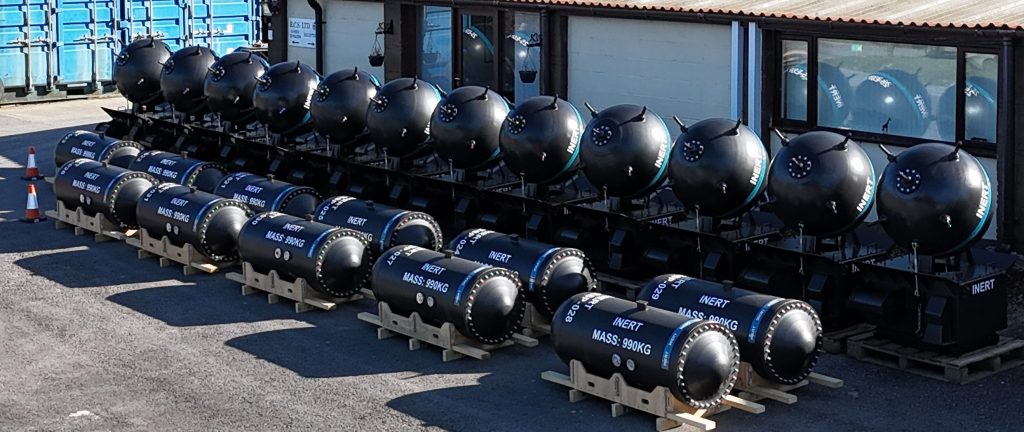
That means accreditations with certificate numbers, case studies with named customers where you’re allowed, photographs and film of your own plant, and an open invitation to visit. Anything that shows you’ve done this before for a company like theirs.
Most of the research happens before they call
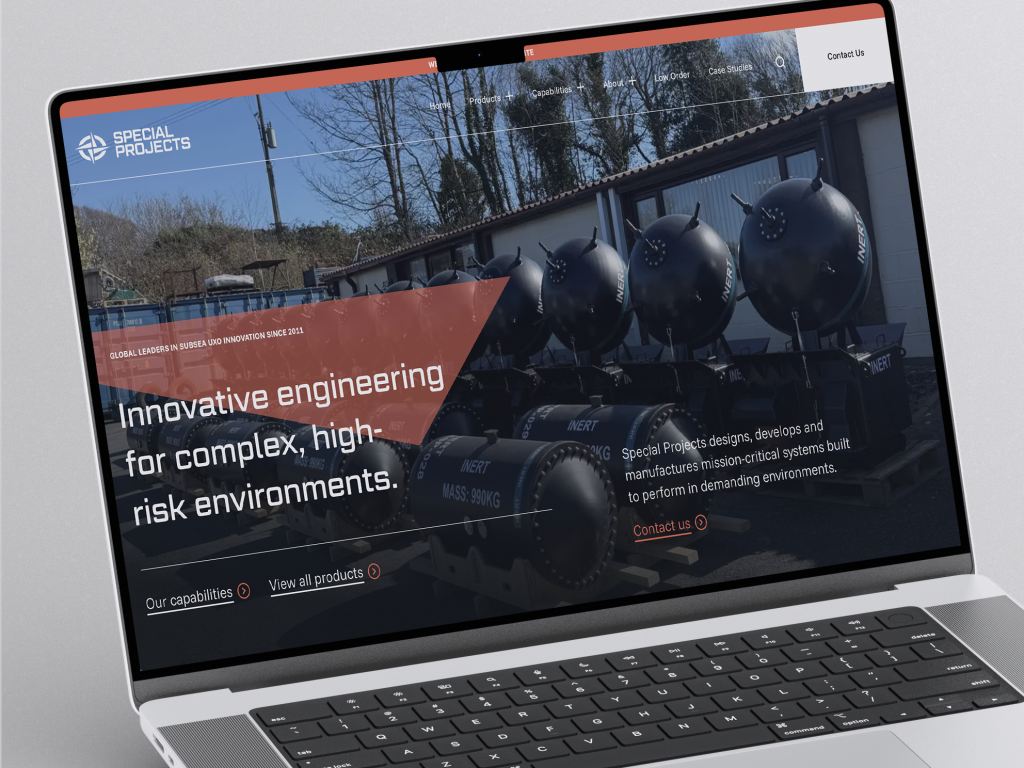
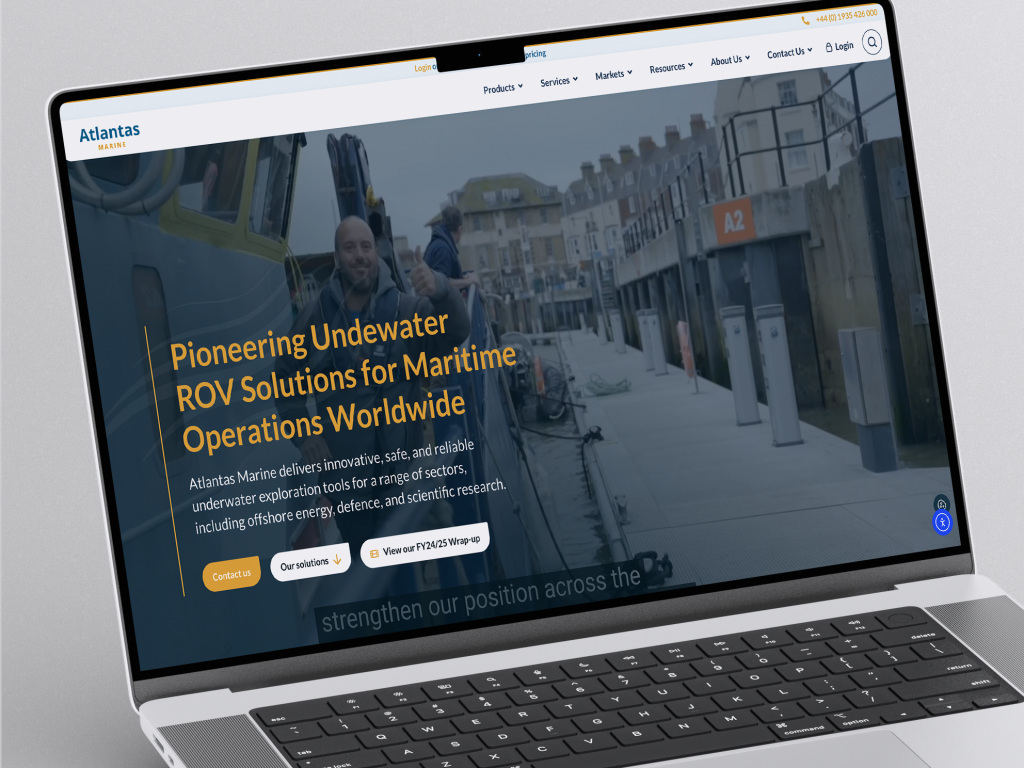
By the time a buyer rings, they have usually looked at your website and at two or three competitors. So the site carries a lot of the selling. A manufacturing website needs full product and capability information, and it needs to be found in search for the processes and products you supply. We cover the wider picture in digital marketing for manufacturers.
Existing customers are your best market
Repeat orders, other sites in the same group and referrals are easier to win than new accounts. Tell existing customers about new capability before you tell anyone else, and ask the ones who are happy for a case study or an introduction.
Trade shows and distributors
Much of B2B manufacturing is still sold face to face. A trade show puts you in front of buyers who are already looking, but most of the return comes afterwards. Record who you spoke to and what they asked about, and follow up within a week with something specific to that conversation.
If you sell through distributors, they need marketing material as much as end customers do. Give them datasheets, photographs, film and case studies they can use, and keep them up to date. A short training video helps their staff explain the product. A distributor will sell the product they find easiest to explain.
How to measure it
Count enquiries, quotes and orders, and note where each one came from. Website visits and LinkedIn followers are worth a look, but they aren’t the result.
With a long sales cycle you also need to look back. An order placed this month may have started with a search a year ago, so keep the source on the record from the first enquiry.
Review it every quarter: which pages people read before enquiring, which emails brought replies and which shows produced quotes. Do more of what led to orders. Your analytics will cover the website side.
Common questions
What is B2B manufacturing marketing?
Marketing by a manufacturer to other businesses: the OEMs, distributors and end users who specify, approve and buy its products.
Which channels work best for B2B manufacturers?
A website with full product and capability information, search, email to existing customers, LinkedIn and trade shows.
How long does B2B manufacturing marketing take to work?
Expect months, not weeks, because the buying process is slow. Enquiries from search and email usually show first.
Where to start
Go through your website as each of the four people above and note what they can’t find. That list is your first job. For the wider plan, read how to write a marketing strategy for a manufacturing company and our marketing ideas for manufacturing companies.
You can also see our marketing for manufacturers, or get in touch.