The marketing ideas that work for manufacturing companies are mostly unglamorous: show the factory, publish your specifications, write up finished jobs, email old customers and follow up after trade shows. Here are twelve, grouped by how much effort they take.
You don’t need a campaign to start marketing a manufacturing business. Most of the material already exists on your shop floor and in your order book. These are practical things a manufacturer can do, starting with the quickest.
At a glance
Twelve ideas, grouped by effort
Start with the first group. Each one takes more time than the one before.
- 1Photograph your plant and people
- 2Put accreditations on one page
- 3Email your old quotes
- 4Ask for Google reviews
- 5Write three case studies
- 6A page for each process or product
- 7Publish datasheets and plant list
- 8One real LinkedIn update a week
- 9Film the factory
- 103D animation for what you can’t film
- 11Plan a trade show as a campaign
- 12A customer email every month or two
Quick wins
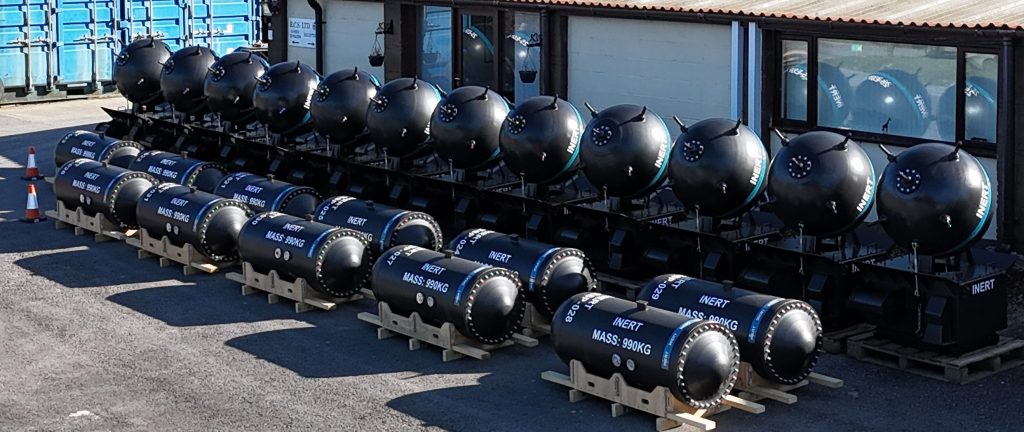
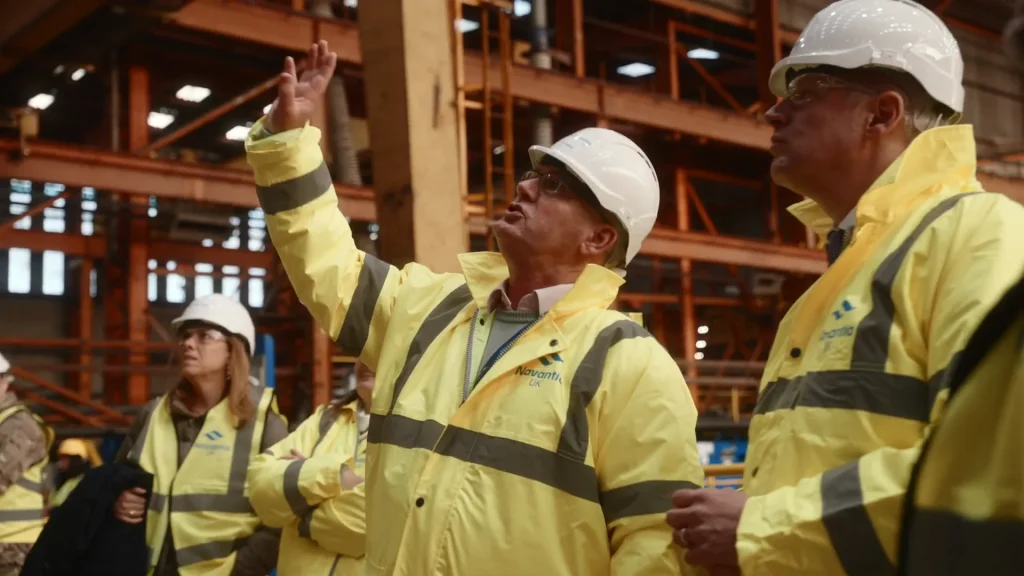
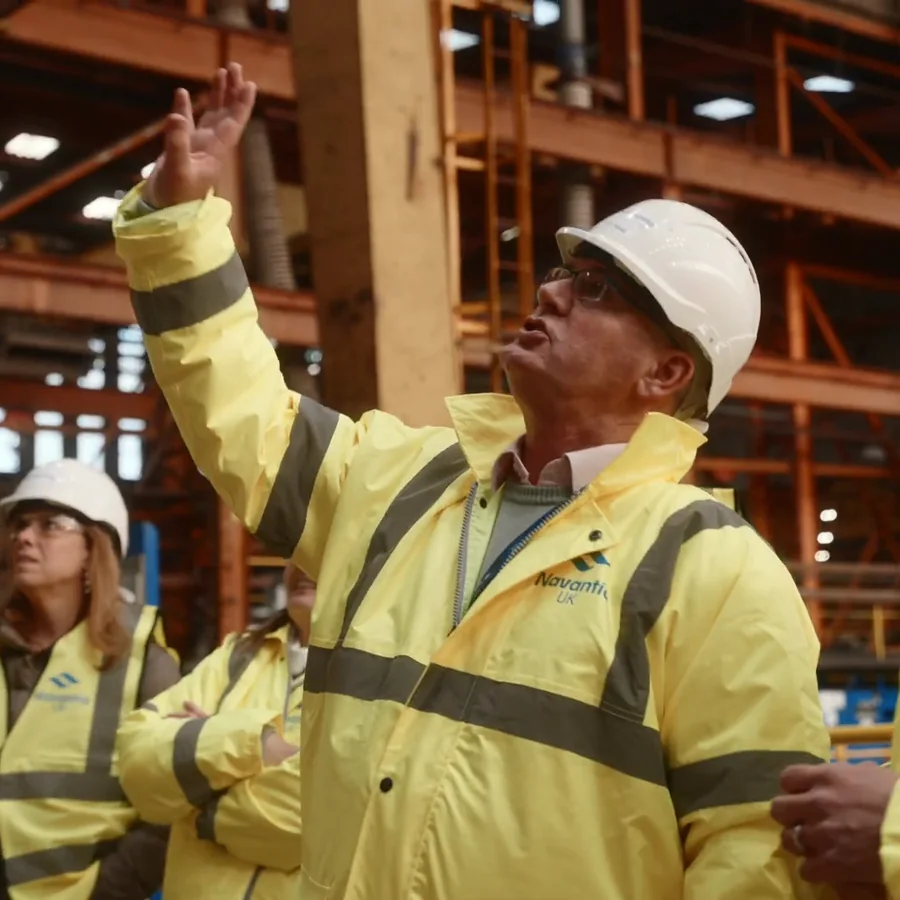
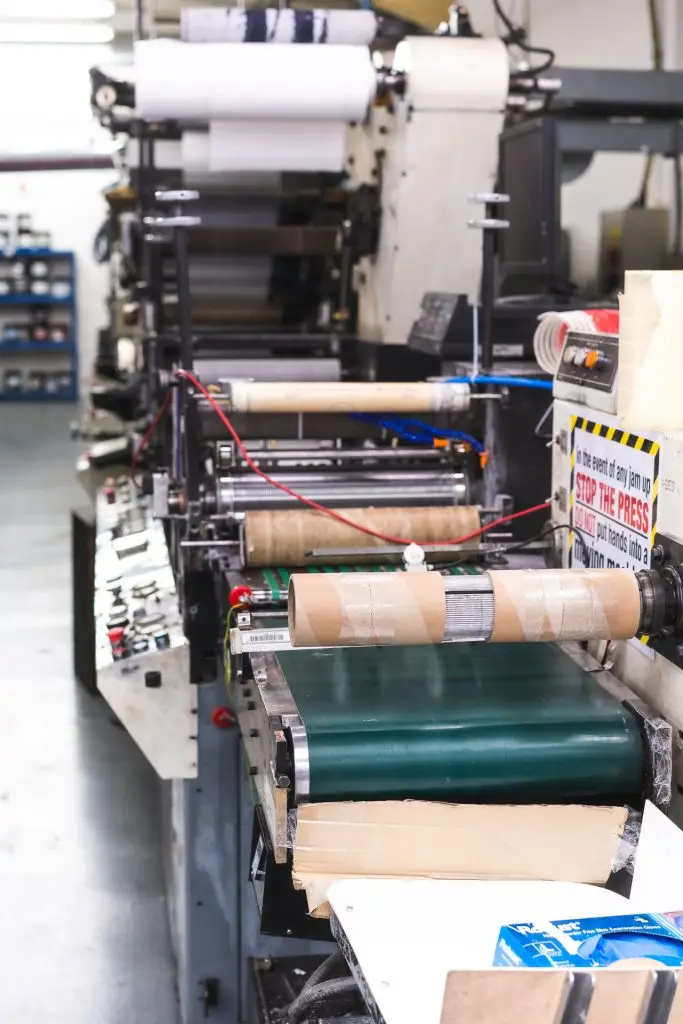
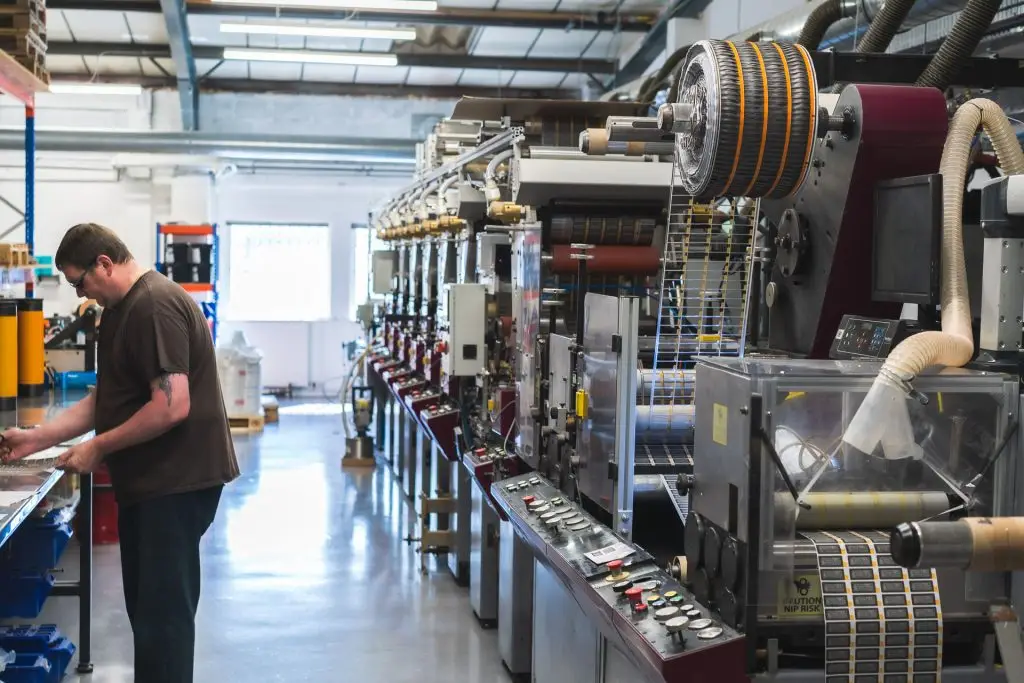
1. Photograph your plant and people. Buyers want to see where their parts will be made. A day with a photographer gives you images for the website, quotes and LinkedIn for a couple of years. Stock photos of someone else’s factory do the opposite.
2. Put your accreditations on one page. List each approval with what it covers and the certificate number, and link to the certificate. Procurement teams look for this early.
3. Email your old quotes. Go back through the quotes that didn’t turn into orders in the last two years and send a short, personal note. Circumstances change, and some of those buyers will be looking again.
4. Ask for Google reviews. When a job has gone well, ask the customer for a review. New buyers read them.
Worth a few days
5. Write three case studies. The problem the customer had, what you did and the result, with a photo of the part or the job. Get the customer to approve it. Three good ones are enough to start.
6. Give each process or product its own page. A single “Services” page listing everything won’t rank in search for any of it. A page for each process, with the materials, sizes and tolerances you work to, can.
7. Publish your datasheets and plant list. Engineers want to check fit without phoning. We’ve written about what a product page for technical equipment needs.
8. Post one real update a week on LinkedIn. A new machine, a finished job, an apprentice who qualified. Photos from the floor do better than graphics.
Bigger projects
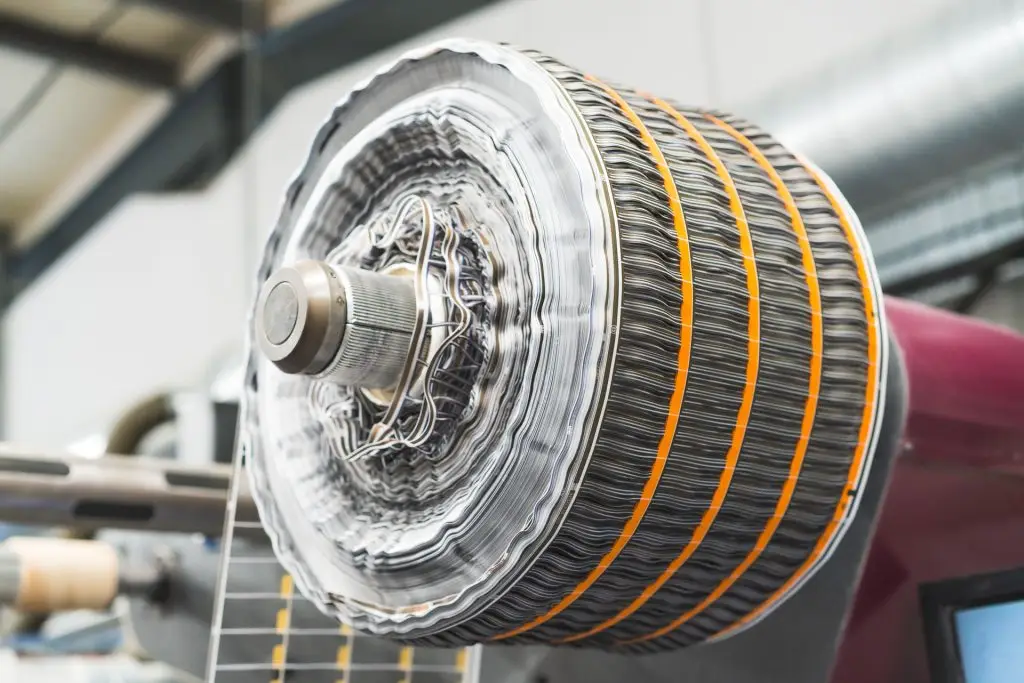
9. Film the factory. A short film of the plant working shows scale, cleanliness and process in a way photos can’t. Plan it so the same shoot gives you clips for social and the website. We’ve covered that in how to get more than one post out of a product film.
10. Use 3D animation for what you can’t film. Products that are confidential, too large or still in development can be shown with 3D animation. An animated explainer video does the same job for a process or a service.
11. Plan your next trade show as a campaign. Tell customers and prospects you’ll be there, give them a reason to visit, and follow up every conversation within a week. Most of the value of a show is in the follow-up. Sort the stand graphics early, and film the event so you have something to send afterwards.
12. Send a customer email every month or two. Short and useful: a new capability, a case study, a change to lead times. It keeps you in mind for the next order.
How to choose which ideas to do
Twelve is too many to do at once. Sort them by what is holding back enquiries now.
If buyers can’t find you, start with the process pages and datasheets (6 and 7). If they find you but don’t enquire, look at the photography, accreditations and case studies (1, 2 and 5), because those are what a new buyer checks before getting in touch. If most of your work comes from people who already know you, the old quotes, the trade show follow-up and the customer email (3, 11 and 12) will pay back fastest.
Give each idea an owner and a date. Marketing in a manufacturing business usually stalls because it’s nobody’s job. It gets done when the order book is quiet and dropped when it fills up.
Then keep a simple record. Ask every new enquirer how they found you and write the answer down, and check your analytics once a month for the pages people read before they enquire. After six months you’ll know which ideas to repeat and which to stop.
Where to start
What is holding back enquiries?
- Buyers can’t find you in searchProcess pages and datasheets (6 and 7)See the ideas
- They find you but don’t enquirePhotography, accreditations and case studies (1, 2 and 5)See the ideas
- Most work comes from people who know youOld quotes, trade show follow-up and customer email (3, 11 and 12)See the ideas
What to leave out
Some things take time and return little for most manufacturers. Posting every day on every social platform is one. Your buyers are on LinkedIn, and one useful post a week there is worth more than daily posts spread across four platforms.
Blog posts written for the sake of having a blog are another. If an article doesn’t answer a question a buyer asks, leave it. The same goes for a brochure nobody has asked for. Check what the sales team hands out before you print another.
Common questions
What is the best marketing for a manufacturing company?
A website that shows what you make and how to enquire, pages that rank for your processes and products, case studies and regular contact with existing customers.
How do manufacturers get more enquiries?
Make it easy for buyers to find you in search, check your capability and accreditations, and get in touch. Then keep in contact with past customers and people you’ve quoted.
Is video worth it for manufacturers?
Yes, if buyers need to see your plant or product working before they commit. One planned shoot can supply a main film, short clips for LinkedIn and footage for your website.
Where to start
Pick two from the first group and do them this month. They cost little and you’ll use the results in everything that follows. If you want the ideas tied into a plan, read how to write a marketing strategy for a manufacturing company.
You can also see our marketing for manufacturers, or get in touch to talk it through.