Marketing to the defence sector works when it is built around how defence buys: a small number of known buyers, long procurement cycles and limits on what you can show. Be easy to find and check, put capability and accreditations up front, turn up where primes and procurement teams look, and use animation and carefully worded case studies for the work you can’t show.
Defence isn’t a market you can reach with volume. A supplier might have a few dozen organisations worth selling to, and inside each one a handful of people who matter: engineers, programme managers, supply chain and commercial. Most of them will look you up before they reply to an email or agree to a meeting. What they find decides whether you get onto the list.
50DEGREES was founded by a former Royal Navy Marine Engineer Officer, and much of our work is for defence and maritime businesses. This is what we’d tell any supplier starting out.
Know who you are selling to
Start with a list, not an audience. Write down the primes, tier one suppliers and end users who could buy what you make, then the roles inside each that influence the decision.
An engineer wants to know whether it works and meets the standard. Supply chain wants to know you’re approved, insured and able to deliver. Commercial wants to understand the risk. Your marketing has to answer all three, and it helps to write each page with one of them in mind.
Then find out how they buy. Some requirements are advertised through the Defence Sourcing Portal and Find a Tender. A lot of supply chain work is placed by primes with companies they already know. Either way, the buyer checks you out first.
Put capability and accreditations where buyers can find them
Procurement teams screen suppliers before anyone talks about the product. Make that easy. Say what you supply in plain terms, then list your approvals: ISO 9001, Cyber Essentials or Cyber Essentials Plus, JOSCAR registration, export control experience and anything specific to your field. Give certificate numbers and dates where you can.
Add a capability statement as a download. One or two pages covering what you do, who for, your approvals, key facts about the business and a named contact. It’s easier to forward inside a prime than a link to a homepage.
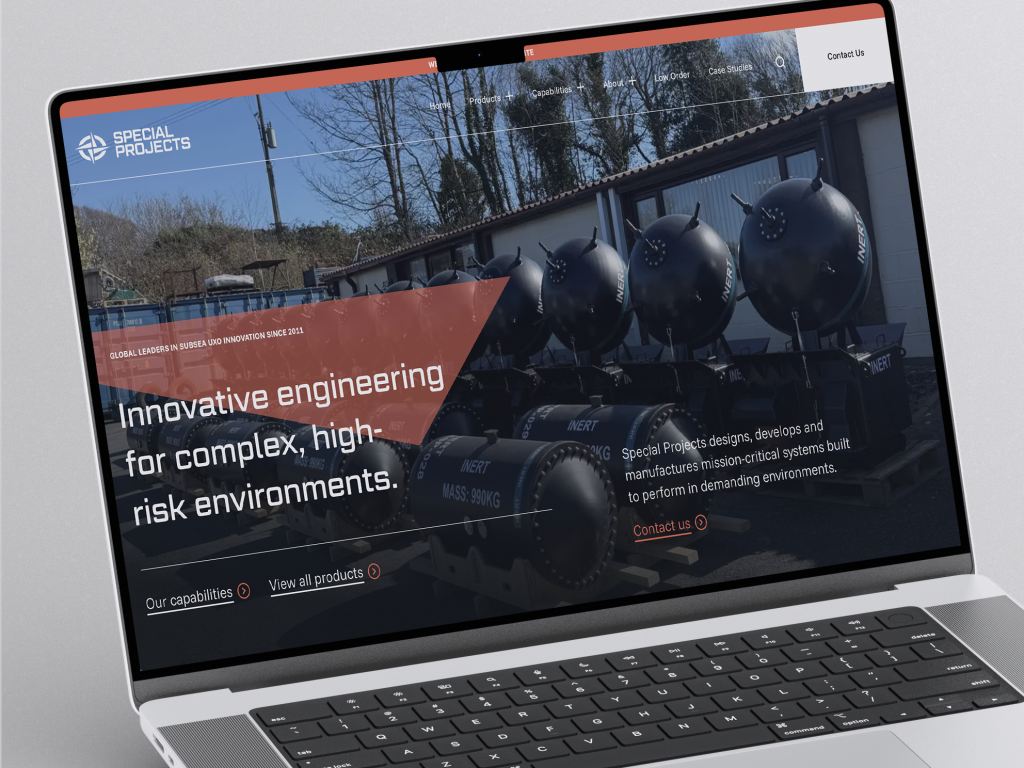
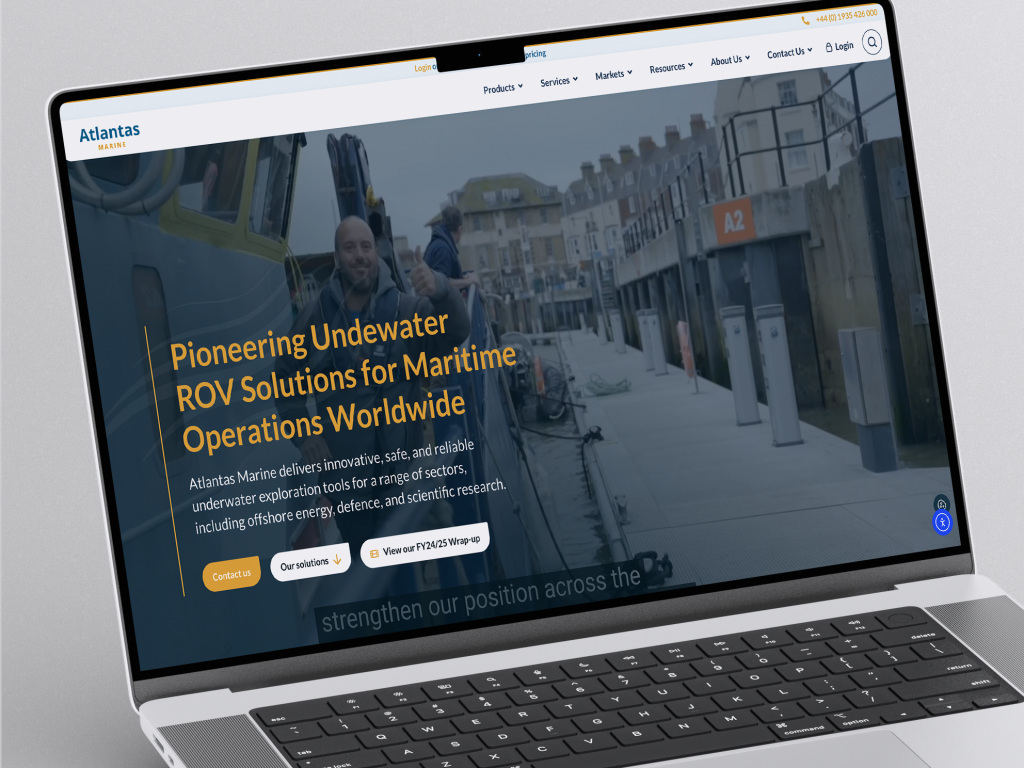
Your website is where all of this lives, so it’s the first thing to get right.
Show the work you can’t show
A lot of defence work is covered by confidentiality or classification. That doesn’t leave you with nothing to say. Agree with your customer what can be published, then describe the problem, the conditions and the result without naming the platform.
3D animation can show how a system works without revealing the real thing, and it can be reviewed and cleared frame by frame before release. Where filming is possible, plan it around what can be in shot. We’ve written separately about filming on vessels and defence sites.

Be found for what you supply
Engineers and buyers search for capability, not company names: the system, the standard, the process. Check what your site ranks for now and whether those are terms a buyer would type.
Each capability needs its own page, with a title and headings that say what it is. This is ordinary search engine optimisation. In defence the search volumes are small, but one enquiry can lead to years of work, so it’s worth doing properly.
Turn up where buyers already are
Trade shows still matter in defence. DSEI, DVD and the specialist events for your domain put you in a room with primes and end users. They’re expensive, so plan each one as a campaign. Tell people you’ll be there, give them a reason to visit the stand, have a film that explains what you do without sound, and follow up within a week.
On LinkedIn, post about real work: a trial, a delivery, a new approval, a person who joined. Trade bodies such as ADS and Make UK Defence run supplier events and directories that are worth being part of.
Keep in touch between requirements
Defence sales cycles run for months or years. The supplier who is remembered when a requirement comes up is usually the one who kept in touch.
A short email update every month or two, regular LinkedIn posts and an occasional piece in the trade press is enough. Judge it by the enquiries and meetings it produces, not by likes.
Common questions
How do you market to defence buyers?
Identify the primes, suppliers and end users who could buy from you, make your capability and accreditations easy to find and check, show evidence of your work within what can be published, and stay visible at trade shows, on LinkedIn and in search.
What should a defence supplier’s website include?
A plain description of what you supply, accreditations such as ISO 9001, Cyber Essentials and JOSCAR, case studies, a capability statement to download and a named contact.
Can you market defence work that is confidential?
Yes. Agree what can be published with your customer, describe the problem and the result without naming the platform, and use 3D animation to show how a system works.
Where to start
Start with the website, because every other activity sends people there. Check it as a procurement officer would. Can they find what you supply, your approvals and a contact in under a minute? Then write the capability statement. After that, pick the one or two shows and channels that matter most and plan them properly.
If you’d like a second opinion on any of it, get in touch. You can also read more about our marketing for defence businesses.