Most problems filming on vessels, in shipyards or on defence sites come down to access, safety and security: being turned away because approvals weren’t in place, footage that can’t be published because of what’s in the frame, a drone that can’t fly, or a schedule that moves with the weather. Start approvals weeks ahead, agree what can be shown, and have footage reviewed before release.
Filming on a ship, in a shipyard or on a defence site isn’t like filming in an office or a studio. The shooting is the easy part. What takes the time is getting access, keeping everyone safe, working around the operation rather than getting in its way, and making sure nothing ends up on screen that shouldn’t.
I served in the Royal Navy as a Marine Engineer Officer before starting 50DEGREES, and a lot of our work now is for maritime and defence clients. These are the problems that most often stop a shoot in those environments, and how to avoid each one.
Quick diagnosis
What's getting in the way?
- Crew held at the gate or turned awayApprovals weren't in placeSee the fix
- Security asks for footage to be pulledSomething in the frameSee the fix
- Crew asked to stop filming on deckSafety on boardSee the fix
- No good shot of the vessel underwayNo safe position to film fromSee the fix
- Shoot cancelled at short noticeWeather or scheduleSee the fix
- Drone grounded on the dayAirspace or site permissionSee the fix
Filming on restricted sites
Access and approvals for a shoot on a vessel, yard or defence site
The approvals take longer than the filming. Start the process weeks ahead.
Weeks before
Get access
- Agree the shots and the storySo you can say exactly where you need to be
- Find who actually approves itPort facility or ship security officer, site security
- Submit names, ID and kit listVehicles, memory cards, laptops, any clearance needed
- Airspace check and site permissionTwo separate permissions for any drone flight
On the day
Film safely
- Induction and PPELifejackets on deck when required
- Escorted filmingCrew and operation take priority
- Check every frameScreens, drawings, faces, security measures, other clients
Afterwards
Clear the footage
- Security reviewWith the site's security lead, on a rough cut
- Raw footage kept secureAgreed storage and retention period
- Cleared footage releasedWebsite, LinkedIn, bids and trade shows
Turned away at the gate
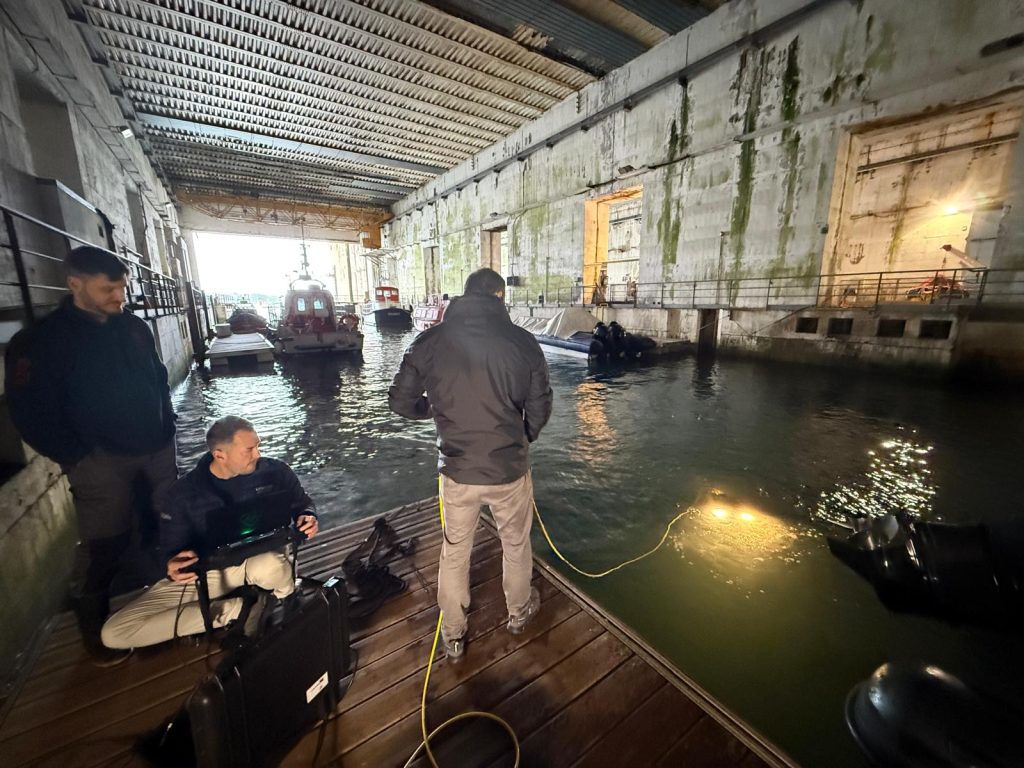
Start the access conversation weeks before you want to film, not days. Ports and port facilities used by international shipping operate under the ISPS Code, the international security regime for ships and ports, which requires designated security officers and security plans. In practice that means the port facility security officer, and often the ship security officer, will want to know exactly who and what is coming on site, well in advance.
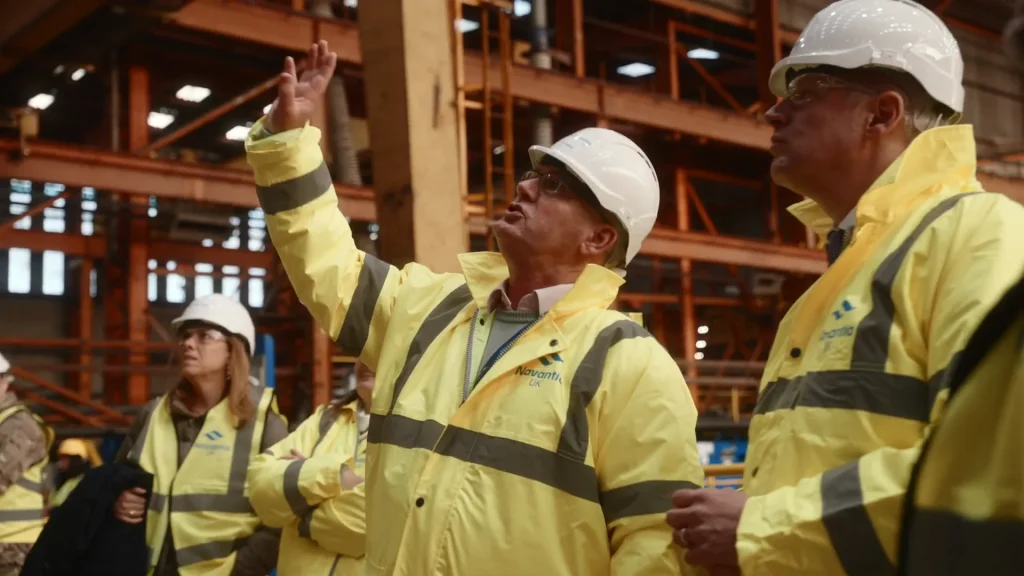
Shipyards and defence sites add their own layers: security checks, escorts, restricted areas, and rules about phones, laptops and memory cards. Some sites need the crew to hold a particular level of security clearance. Your client contact is usually not the person who approves this, so ask early who is.
Get the approved plan in writing: who’s coming, when, where they can go, what they can film and who’s escorting them. It saves arguments at the gate.
Before you arrive
What a security officer will usually ask for
- Names and photo IDFor everyone attending, sent in advance.
- Vehicle registrationsIf you're driving on to the site or the quay.
- Equipment listCameras, drones, laptops and memory cards.
- Timings and areasWhere you need to be, and for how long.
- Your escortWho is responsible for you while you're on site.
- ClearanceIf the site requires it, and it can't be arranged quickly.
Footage that can't be published
Agree what can’t appear on screen before the shoot, because problems here are usually only spotted once the film is published. Watch for:
- Screens and displays, including radar, ECDIS, engine monitoring and anything showing a position or a plan.
- Drawings, whiteboards, wall charts and paperwork in the background.
- Other vessels, other companies’ equipment and other clients’ names or logos.
- Faces of crew or staff who haven’t agreed to be filmed, or who can’t be identified for security reasons.
- Access control points, cameras, fences and anything else that shows how a site is secured.
On defence work, agree a review of the footage with the site’s security lead as part of the plan, and allow time for it. Keep raw footage secure until it’s been cleared, and agree how long it will be kept afterwards. This is the part of the job clients most need to trust you with.
Stopped by the crew for safety
A vessel is a workplace with its own hazards: ladders and steep stairs, hatches and coamings, slippery decks, moving machinery, lifting operations, and the sea itself. The Code of Safe Working Practices for Merchant Seafarers, published by the Maritime and Coastguard Agency, is the standard reference for work on UK merchant ships, and it’s worth the production team knowing the relevant parts.
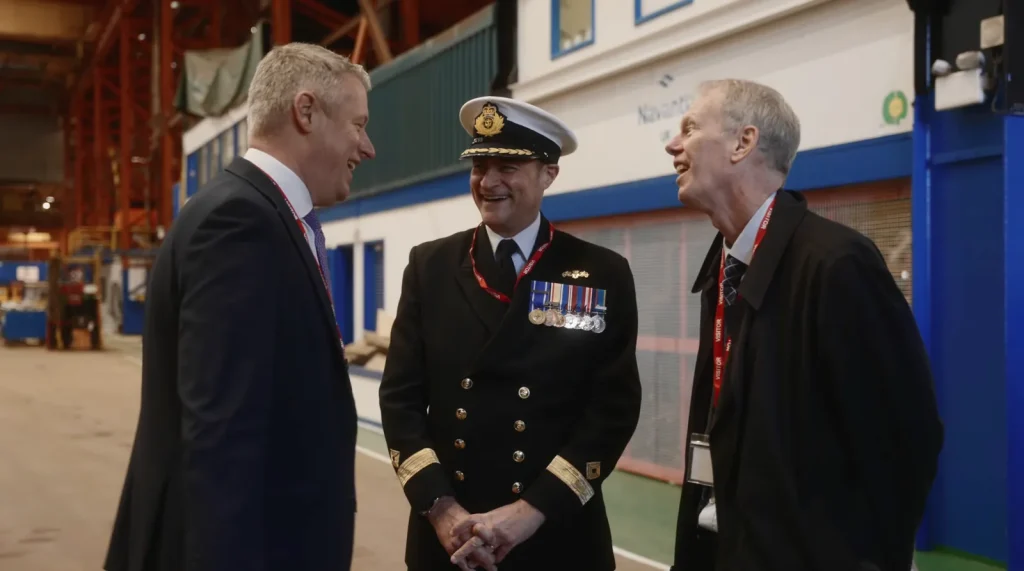
Expect a safety induction on arrival. Wear what you’re told to wear, including a lifejacket on deck when required. Tell the crew where you want to set up before you do it, because the best angle is often in someone’s way. The people on board are responsible for the vessel and everyone on it, and that takes priority over the shot.
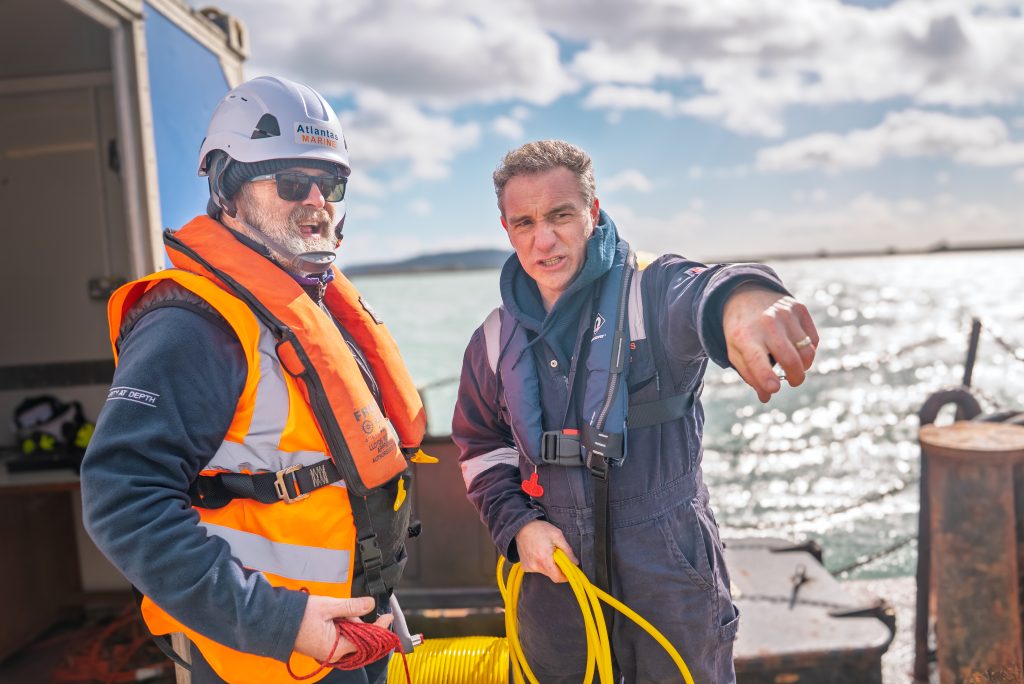
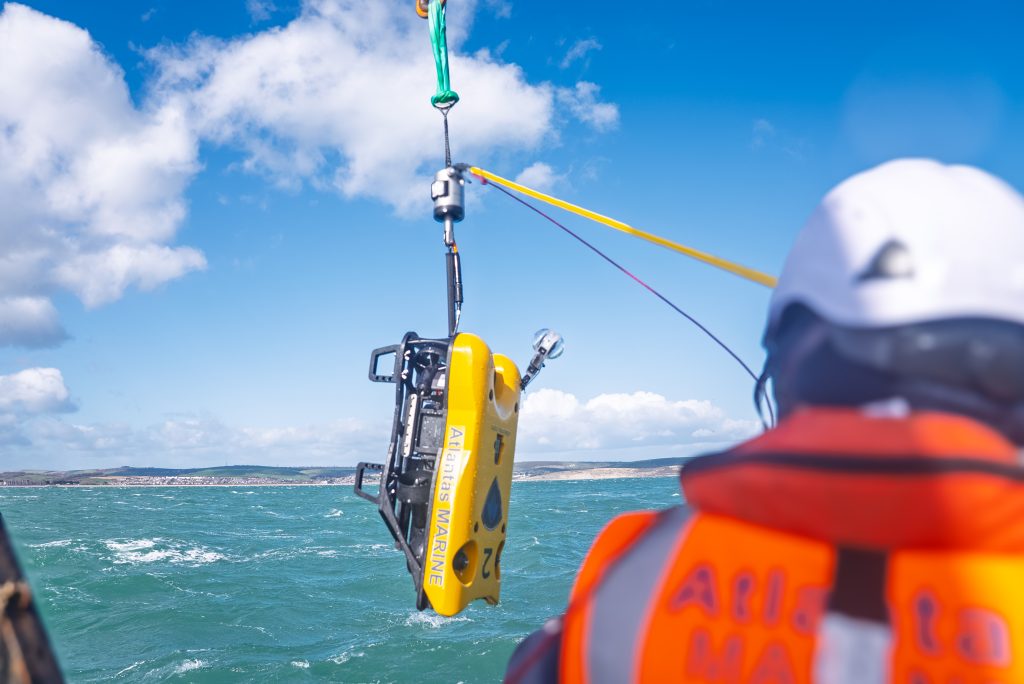
The production company should also bring its own risk assessment. The HSE’s guidance on safety in film and TV covers what that should include for a shoot.
Kit that doesn't suit the space
There’s an old naval saying: one hand for yourself and one for the ship. On ladders and in narrow passageways you need a hand free, so kit has to be carried in bags on your back, not in cases in both hands. Keep the footprint small. A big lighting setup doesn’t fit in a machinery space and gets in the way on deck.
Machinery spaces are loud and hot, and lenses fog when you move from an air-conditioned space into a warm, humid one, so allow time for kit to acclimatise. On deck, salt spray gets on everything. Bring plenty of lens cloths and protect the kit between shots.
On tankers, gas carriers and some offshore installations, parts of the site are hazardous areas where normal electrical equipment isn’t allowed. Ask the site what the rules are and where the boundaries are before you arrive.
No safe position to film from
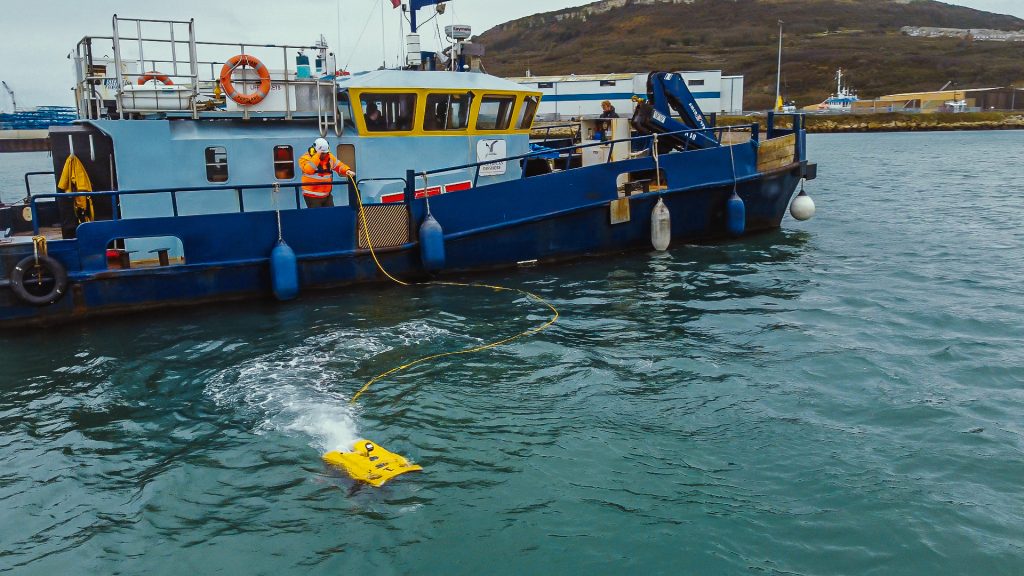
Filming a vessel underway usually means filming from another boat. Use a properly certified commercial vessel with an experienced skipper. In the UK, small commercial workboats generally operate under the MCA’s Workboat Code, so ask the operator what the boat is coded for and how many people it can carry.
Brief the skipper on the shots before you leave harbour, agree how you’ll communicate with the vessel you’re filming (usually VHF), and agree who has the final say on how close you get. It won’t be the camera operator.
The weather or schedule changes
Sea trials and vessel movements get rescheduled. Build a weather day into the plan and agree who makes the go or no-go call, and when. On the water the skipper or master has the final say. The evening before is a sensible point to decide whether the crew travels. Check the Met Office inshore waters forecast for sea state and visibility, and check tide times if you’re filming in a harbour, on a slipway or from the shore.
Low sun gives the best light on a hull, but it also brings glare off the water. An overcast day is often easier to work with than a bright one, especially for close-ups of kit on deck.
The drone can't fly
Drone footage of a vessel or a yard can be the best shot in the film, but it needs more planning than anything else on the day. From 1 January 2026 the CAA requires a Flyer ID for anyone flying a drone of 100 g or more outdoors, and an Operator ID for drones of that weight with a camera. The UK rules are based on the risk of the flight, not on whether the pilot is being paid. The Drone Code covers the basic limits, and flights that fall outside them need an operational authorisation under the Specific Category.
UK drone rules at a glance
Anyone flying a drone of 100 g or more outdoors needs a Flyer ID, from 1 January 2026.
The normal height limit above the surface in the Open Category.
Airspace clearance and the site owner's permission. You need both.
Source: CAA Drone and Model Aircraft Code. Always check the current rules and restriction zones before each flight.
Many ports, dockyards and naval bases sit close to airports or inside restricted airspace. NATS publishes the current UAS restriction zones, and your pilot should check them for every location. Taking off and landing from a moving deck is its own skill, so plan it with the pilot and the vessel’s master. It’s worth asking any aerial footage supplier how they handle all of this before you book them.
The Drone Code also has a section on protecting people’s privacy, which applies to people on neighbouring vessels and quaysides as much as anyone else.
Common questions
Do you need permission to film in a port?
Usually, yes. Port facilities used by international shipping run security plans under the ISPS Code, so the port facility security officer will normally want names, ID, vehicle details and an equipment list in advance, as well as the vessel operator’s agreement.
Can you fly a drone over a port or naval base in the UK?
Only where the airspace rules and the site owner allow it. Many ports and naval bases are near airports or inside restriction zones published by NATS, so you may need airspace clearance and separate permission from the site. Since 1 January 2026, anyone flying a drone of 100 g or more outdoors needs a CAA Flyer ID.
Who decides whether filming at sea goes ahead?
The skipper or master has the final say on the water. Agree in advance who makes the go or no-go call for the crew and when, and build a weather day into the plan.
Worth the effort
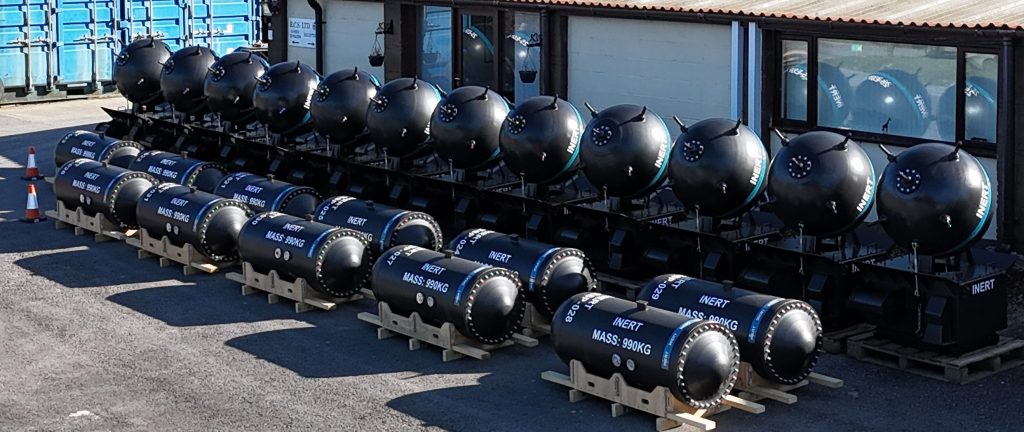
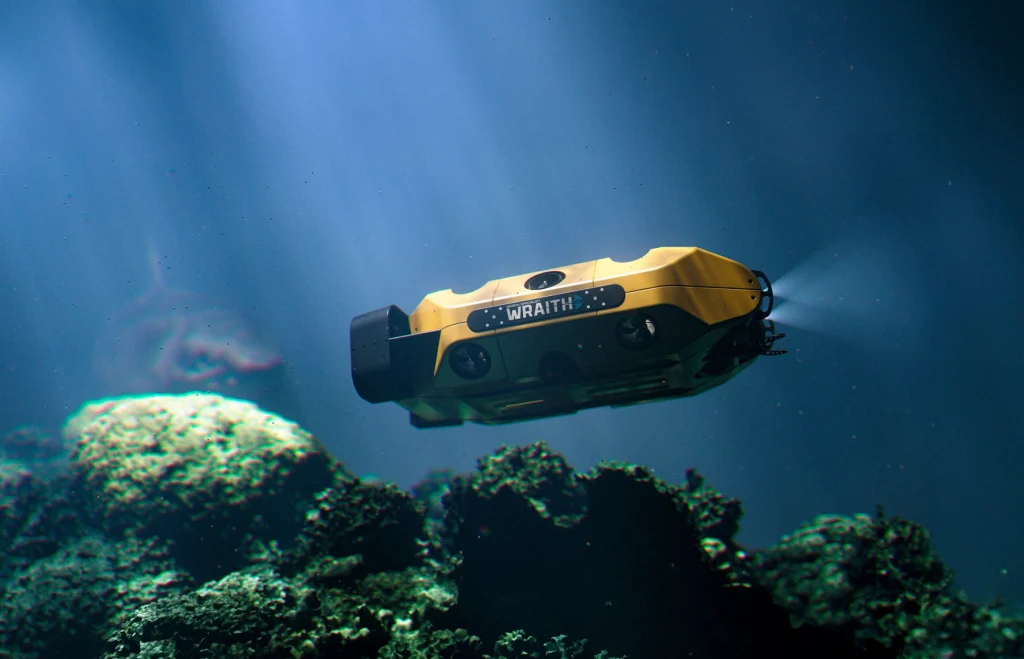
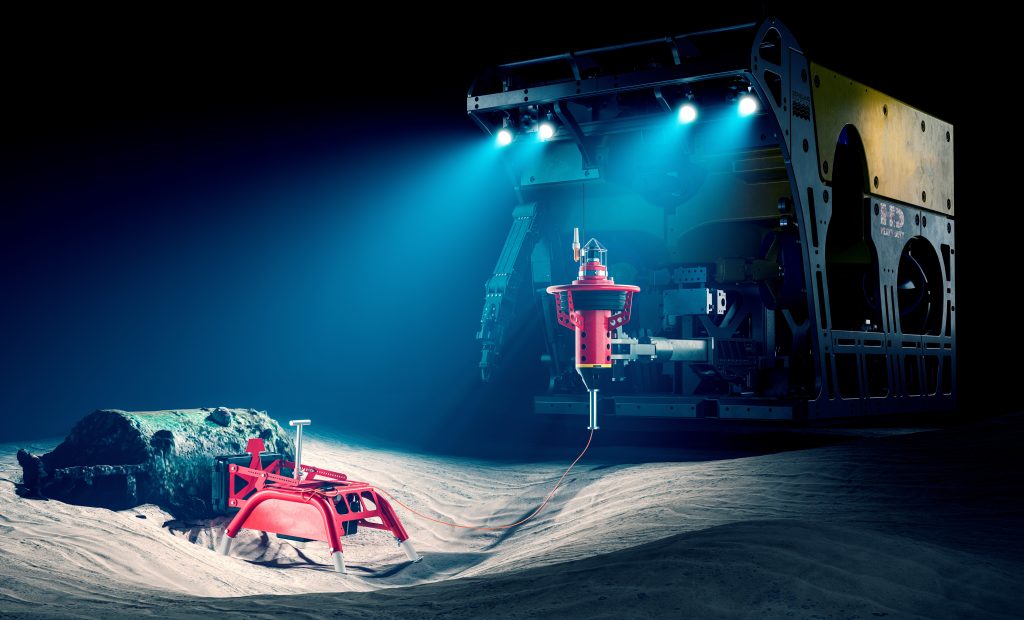
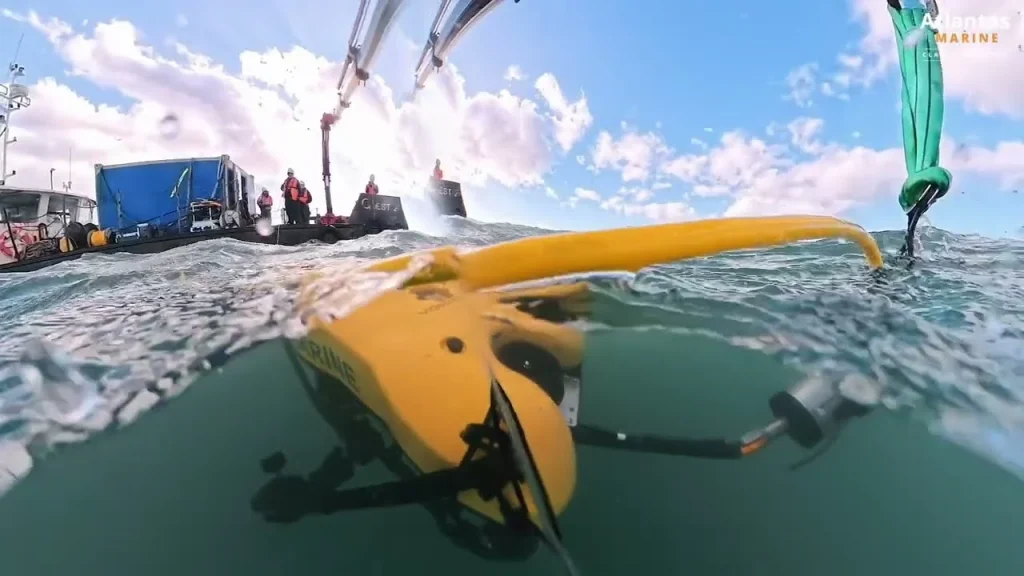
Done properly, footage from a real vessel or a real site is hard to beat as evidence for a maritime or defence buyer. It shows the kit working in the conditions it was built for, with the people who use it. For Special Projects, who work across commercial EOD, military, subsea and R&D, and for Atlantas Marine, real footage and photography of their work was a big part of both relaunches.
If you’re planning a shoot like this, our guide to things to consider before filming a new product covers the earlier planning steps. Or get in touch and we can talk it through. You can see more of our videography work on the site. There is more on maritime video production and defence video production.